How to Increase Home Value Before Selling

Tips to Increase Your Home Value : The Professional Guide
The process of deciding whether to sell your home requires systematic evaluation methods that real estate professionals use to prepare properties for sale. To achieve a premium price in 2026’s competitive landscape, homeowners must strategically increase home value before selling by addressing both aesthetic appeal and structural integrity.
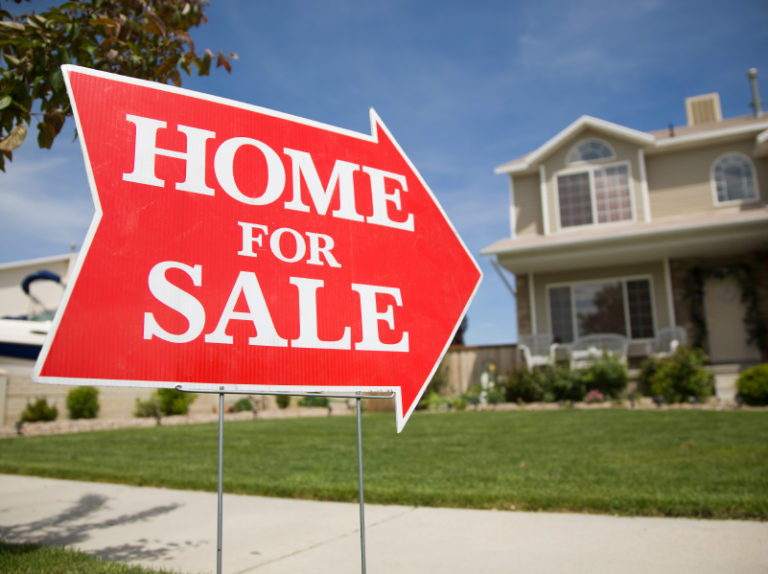
Today’s buyers need more than a basic “For Sale” sign because they use data to assess properties, and they prefer homes that need no work. The combination of high-ROI renovations, energy efficiency improvements, and essential living space upgrades allows you to achieve results that exceed local market standards, especially when aligned with current NYC real Estate market trends across different neighborhoods.
The complete guide shows how to determine which home improvements produce the greatest equity increase while showing which mistakes should be avoided.
Why It Is Important to Increase Home Value Before Selling
In the current economic climate, the “as-is” discount is steeper than ever. Buyers in 2026 are often maxed out on their down payments and have little appetite for immediate post-closing repairs. Therefore, the effort you put into your home now acts as a form of financial insurance.
Maximizing Your Equity Harvest
The primary motivation to increase home value before selling is, of course, the bottom line. Every dollar spent on strategic improvements should ideally return at least $1.50 to $2.00 in the final sale price, particularly when buyer expectations are influenced by the cost to buy a home in NYC and overall affordability in the market.
This “equity harvest” is particularly vital in suburban markets where buyers compare homes block-by-block based on modernized features.
Furthermore, a well-prepared home stands out in the digital curb appeal phase, where 95% of buyers begin their search on mobile apps.
Reducing Time on Market (DOM)
A high-value, well-prepared home generates immediate “Days on Market” (DOM) pressure. When a house is presented in peak condition, it often triggers multiple-offer situations.
This competition doesn’t just raise the price; it allows the seller to dictate better terms, such as shorter inspection periods or waived contingencies.
Strengthening Your Appraisal Position
Even if a buyer is willing to pay a premium, the bank’s appraiser must agree. By documenting your upgrades, such as a new HVAC system or a 30-year architectural shingle roof, you provide the appraiser with the clinical data needed to justify a higher valuation.
For a more precise pricing strategy, many sellers also rely on professional home valuation services to determine the true market worth of their property before listing.
The WL Group often suggests keeping a “Home Improvement Ledger” to present during the appraisal process to ensure no value is left on the table.
Home Improvements That Can Boost Property Value
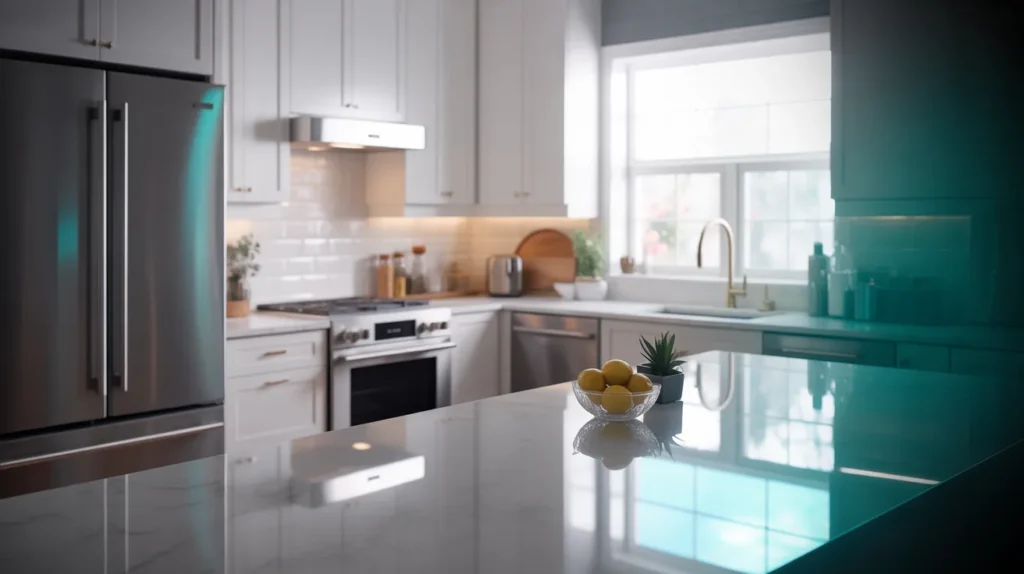
When looking for ways to increase property value, not all renovations are created equal. Focus on the “High-Impact Zones”: the kitchen, the primary bathroom, and the home’s envelope.
The Modern Kitchen: The Heart of Resale
The kitchen remains the highest ROI room in any American home. However, you don’t always need a full “gut” renovation to see a major impact.
Cabinet Refacing
If the “bones” are good, refacing or painting cabinets in a neutral, modern tone can save thousands while looking brand new.
Stone Countertops
Quartz remains the gold standard for 2026 due to its durability and low maintenance compared to granite or marble.
Smart Appliances
Integrating Energy Star-rated appliances appeals to the eco-conscious buyer and suggests a well-maintained home.
Bathroom Modernization and Hygiene
The bathroom must provide the experience of a clinical spa through its complete cleanliness, bright lighting, and efficient design.
- The replacement of old gold fixtures provides immediate benefits through the installation of matte black or brushed nickel fixtures.
- The installation of a high-efficiency comfort-height toilet, together with tile re-grouting, serves as a minor improvement.
- In 2026, walk-in showers with “aging-in-place” features like grab bars are increasingly popular for multi-generational appeal.
2026 ROI Comparison Table
| Improvement Project | Average Cost (2026) | Estimated ROI and Impact Level |
|---|---|---|
| Garage Door Replacement | $4,500 | 194% (High) |
| Steel Entry Door Update | $2,300 | 188% (High) |
| Standard Lawn Care | $500 | 217% (High) |
| Minor Kitchen Remodel | $27,000 | 96% (High) |
| Manufactured Stone Veneer | $11,000 | 153% (Medium) |
| Vinyl Window Replacement | $21,000 | 73% (Medium) |
| Major Kitchen Remodel | $80,000 | 42% (Low ROI-wise) |
Cost-Effective Ways to Increase Home Value Before Listing
You do not need a six-figure budget to increase house value before sale. Often, the most effective improvements are those that address “Visual Noise” and basic maintenance.
The Power of Neutrality and Paint
A fresh coat of paint is the most cost-effective tool in your arsenal.
- Stick to a “clinical neutral” palette such as warm whites, soft greys, or greige.
- This allows buyers to visualize their own furniture in the space.
- Remember to paint the trim and baseboards as well. A crisp line suggests a precision level of home care.
Lighting and Lumen Strategy
Dim, yellow lighting can make even a large room feel cramped and dated.
LED Conversion
Swap all bulbs for “Daylight” or “Cool White” LEDs (around 3000K-3500K).
Statement Fixtures
Replace existing builder-grade fixtures with current pendant lights and recessed lighting fixtures.
Natural Light
The window cleaning process requires professional services for window washing, and all heavy drapes need to be removed to achieve optimal light entry.
Flooring Consistency
The combination of carpet and tile in different rooms creates choppy flooring, which disrupts the flow of the home. If budget allows, installing a consistent Luxury Vinyl Plank (LVP) throughout the main living areas can create a seamless, expansive feel that effectively boosts home resale value.
Curb Appeal Upgrades That Attract More Buyers
Your home exterior serves as the initial impression that visitors receive of your property value. Buyers often decide if they like a house before they even step through the front door.
Landscaping and “The Green Effect”
An organized interior space receives demonstration through a well-maintained lawn.
Fresh Mulch
Dark brown or black mulch creates a visual contrast that enhances the appearance of plants while hiding soil defects.
Edge the Borders
The professional appearance of the area results from straight boundaries that separate the grass from the driveway.
Perennial Planting
Structured beauty through low-maintenance shrubs should include boxwoods and hydrangeas as essential elements.
The Entryway Focus
Curb appeal begins with the front door as its most important element. If it is damaged, you should sand and stain it or paint it in a sophisticated main color such as navy blue or deep charcoal.
Add modern house numbers and a clean, high-quality mailbox to complete the “luxury” look. The WL Group frequently notes that homes with professional exterior staging sell faster than those without.
Mistakes That Can Lower Your Home’s Value Before Selling
While focusing on how to increase home value, it is equally important to avoid “Value Drainers,” improvements that cost more than they return or actually alienate buyers.
Over-Personalization
Your love for purple accent walls or highly specific tile patterns is a liability. Buyers view highly personalized decor as a “to-do list” item they will have to fix. Aim for a “model home” aesthetic, depersonalized and universally appealing.
Neglecting “The Boring Stuff”
No amount of marble countertops can hide a leaking roof or a cracked foundation. If your “Major Systems” (Roof, HVAC, Electrical, Plumbing) are failing, spend your money there first. Buyers will always prioritize a functional roof over a fancy backsplash.
The Strategic Importance of Accessory Spaces
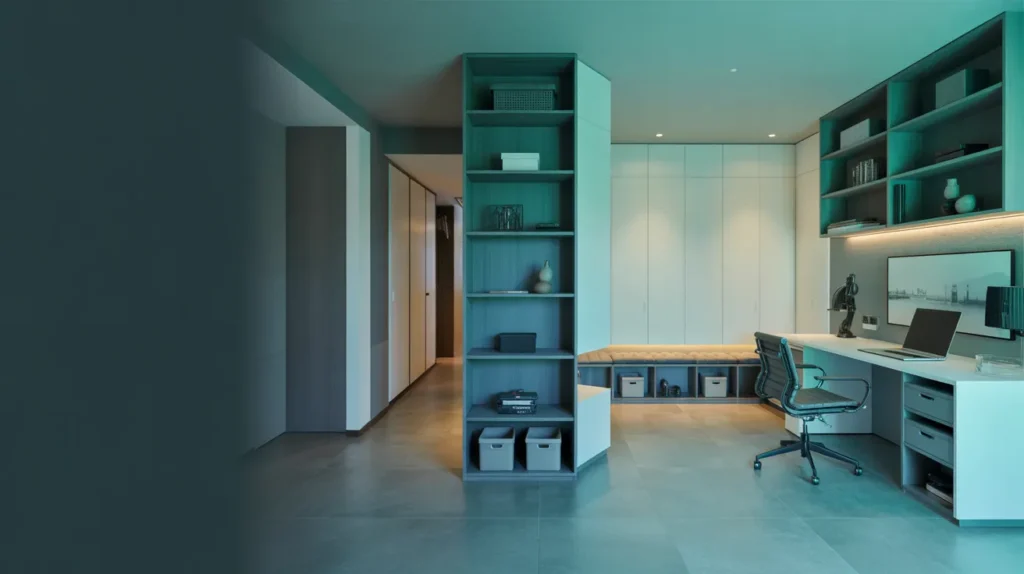
The definition of a “valuable home” now extends beyond its previous boundaries to include dedicated spaces that serve specific residential purposes in the year 2026. The remote work trend and multi-generational housing arrangements make it essential for people to maximize their property usage. As this decision will impact their property valuation process.
Home Office vs. ADU
Property owners can achieve a property value increase between 20 and 30 percent by transforming their unused basement or garage space into a built-to-code Accessory Dwelling Unit.
The modern work-from-home buyer can be attracted to a small space by converting it into a professional home office, which contains built-in shelving and high-speed data ports when the budget restricts a complete conversion.
Storage Solutions
Clutter creates an obstacle that reduces all value. The installation of premium closet systems in primary bedrooms and the development of “mudroom” entryway benches create spaces that users find easier to maintain.
Furthermore, homebuyers in 2026 search for houses that provide solutions to their everyday challenges, with efficient storage systems serving as their primary requirement.
Environmental Sustainability and Marketability
Energy-efficient features have transitioned from being an additional benefit to becoming an essential requirement for most homebuyers. The rising utility expenses in 2026 create a market advantage for houses, which show their owners reduced ownership costs through their lower operating expenses.
Solar Readiness and Insulation
Even if you don’t install a full solar array, ensuring your roof is “solar-ready” or has upgraded attic insulation can be a major selling point. Modern insulation alone can offer a return of over 100% because it directly impacts the buyer’s monthly cash flow.
Smart Water Management
Low-flow fixtures and smart irrigation systems that adjust based on weather data are subtle but powerful “green flags.” These features signal that the home is not only eco-friendly but also “smartly” managed, reducing the mental burden of home maintenance for the next owner.
Final Thoughts on Maximizing Your Home Value
Ultimately, a clinical and strategic approach is necessary to successfully increase home value before selling in today’s competitive real estate climate. By focusing on the high-ROI ways to increase property value, such as kitchen updates, neutral painting, and enhanced curb appeal, you transform your home into a premium asset. The common mistakes of excessive personalization should be avoided, while you should make structural safety your main priority instead of decorative elements. Your current work will create better financial results for your future.
Frequently Asked Questions (FAQs)
Q1. What is the single best way to increase property value?
Statistically, kitchen and bathroom refreshes offer the highest return. However, if your home has structural issues, addressing the roof or foundation is the most critical way to protect your investment. Buyers will often walk away from a beautiful kitchen if the “bones” of the house are compromised.
Q2. How much should I spend on home improvements to increase value?
A general rule of thumb is to spend no more than 5% to 10% of your home’s total value on renovations before selling. If you over-improve beyond the neighborhood’s “ceiling,” you likely won’t see a full return on your investment.
Q3. Does landscaping really boost home resale value?
Yes. Professional landscaping can increase a home’s value by 10% to 12%. It is the only improvement that actually grows and becomes more beautiful over time, whereas interior renovations begin to depreciate the moment they are completed.
Q4. Should I replace my carpet before listing?
If your carpet is stained, smells, or is a dated color, yes. Replacing it with a neutral-toned, mid-grade carpet or LVP is a high-ROI move. Most buyers find old carpet “hygienically suspicious” and will factor the cost of replacement into a lower offer.
Q5. How can I increase the house value before sale on a tiny budget?
Focus on the “Three D’s”: Declutter, Deep Clean, and Depersonalize. Removing 30% of your belongings makes rooms look larger. Following this with fresh white paint and upgraded light bulbs can make a home feel years newer for less than $1,000.